Picture CDs – not to be confused with Photo CDs – were widely offered by film processing labs in the early days of digital photography. They were fairly inexpensive. I usually got my films processed at Boots, which charged an extra £1.99 for a picture CD.
Quality, unfortunately, was variable. If you were lucky, you got a good clean scan that was very usable – albeit only 1.5 megapixels. If you were unlucky, you got an unusable mess. Still, at least the lab always returned your negatives, which gave you a second chance to try at home with your own scanner.
Digital scans from APS – which I used extensively at the time – were even lower resolution. And because of the smaller negative size, quality suffered. Images could be grainy and lacking in sharpness. And of course, regardless of the format you were shooting, colour accuracy was hit and miss.
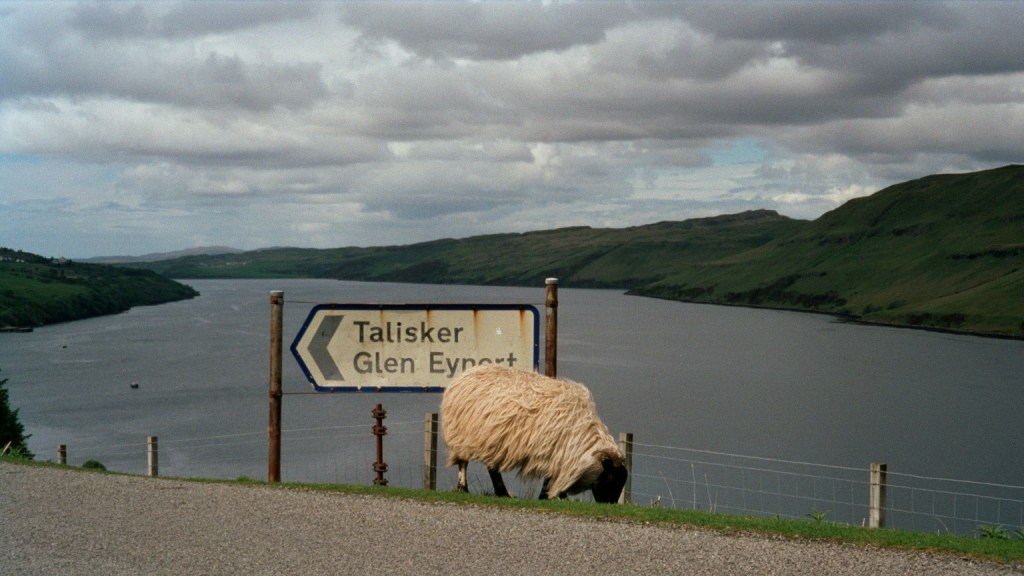
This image from 2002 is typical. It’s a good clean scan, with no dust or scratches, but the colour accuracy is too warm and the image suffers from excessive grain. Still, in these days of AI-enhanced photo editing, both issues are easily resolved. I resized and denoised this image in On1 Resize AI 2026, and then took it into DxO Photolab for colour grading. The result is a big improvement. At 8 megapixels, this new version is big enough for a 16 inch print. It has more accurate colours, and the excessive noise has given way to a more natural film texture from the Kodak Advantix Ultra film.
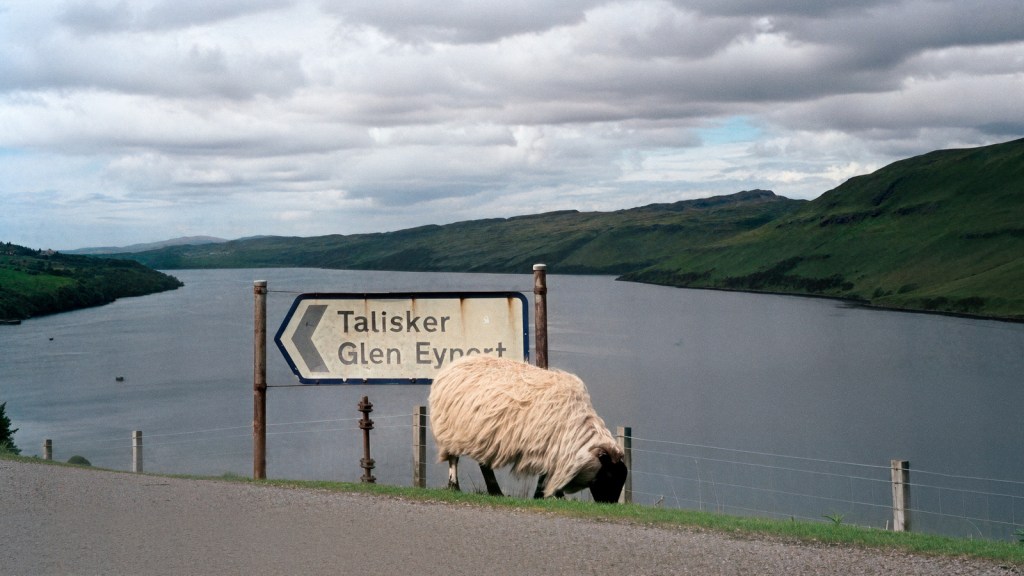
Do you still have any Picture CDs tucked away at the back of a drawer? Dig them out – the quality may be better than you remember,
 My Camera Stories
Leave a comment