For a brief period around the turn of the century, Agfa Ultra 100 was my default choice for creative work. Here’s an example from 2005, taken in overcast conditions at Tantallon Castle, East Lothian, Scotland.
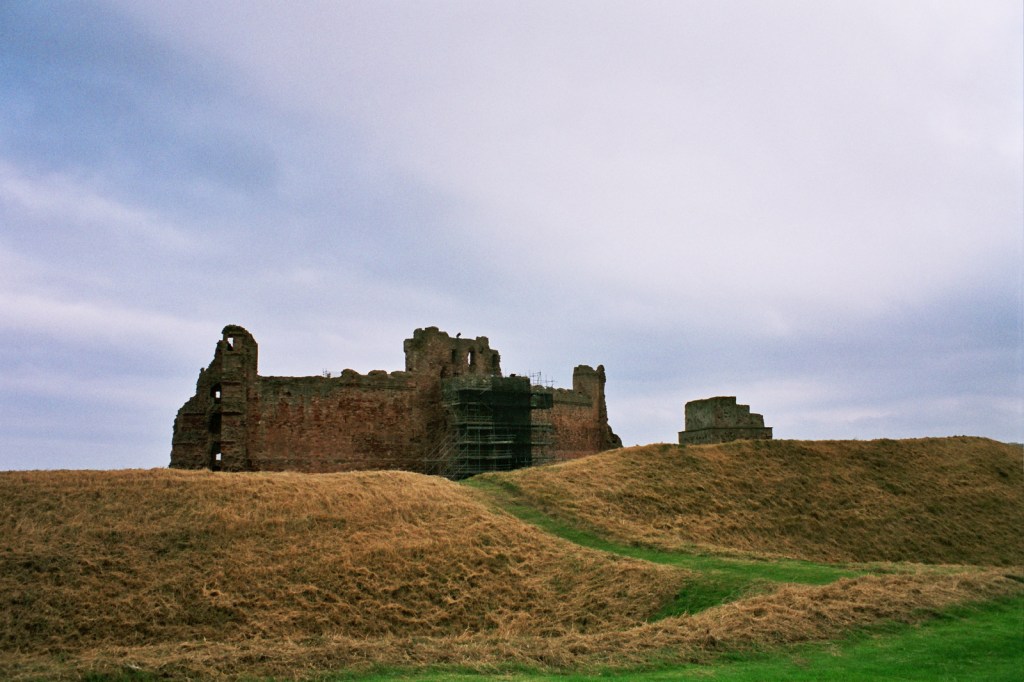

The sky is clearly overcast, but the colours remain saturated without being unrealistic. The red tones of the castle walls are well captured, and the grass still reads as green underneath that yellow scorching. In the first photo, that sky is utterly convincing, and yet there are hints that something has gone awry.
Look at the sea in that second image. Scotland does, on occasion, have beautiful blue seas. But under those clouds? It doesn’t feel realistic.
Not convinced? Shooting Agfa Ultra in bright sunlight reveals its weakness more clearly

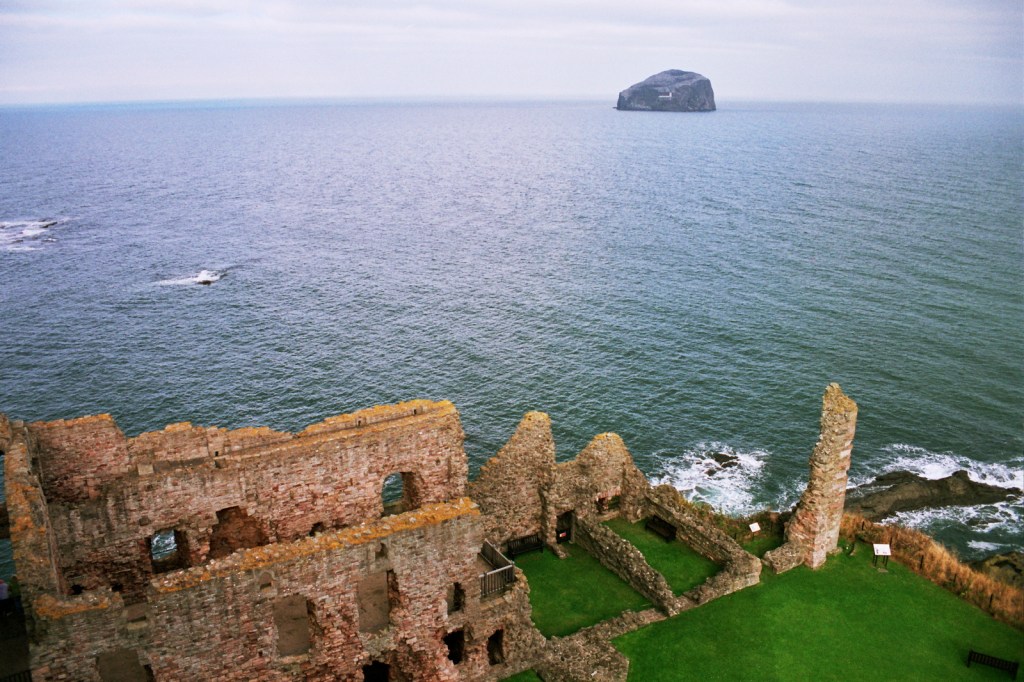
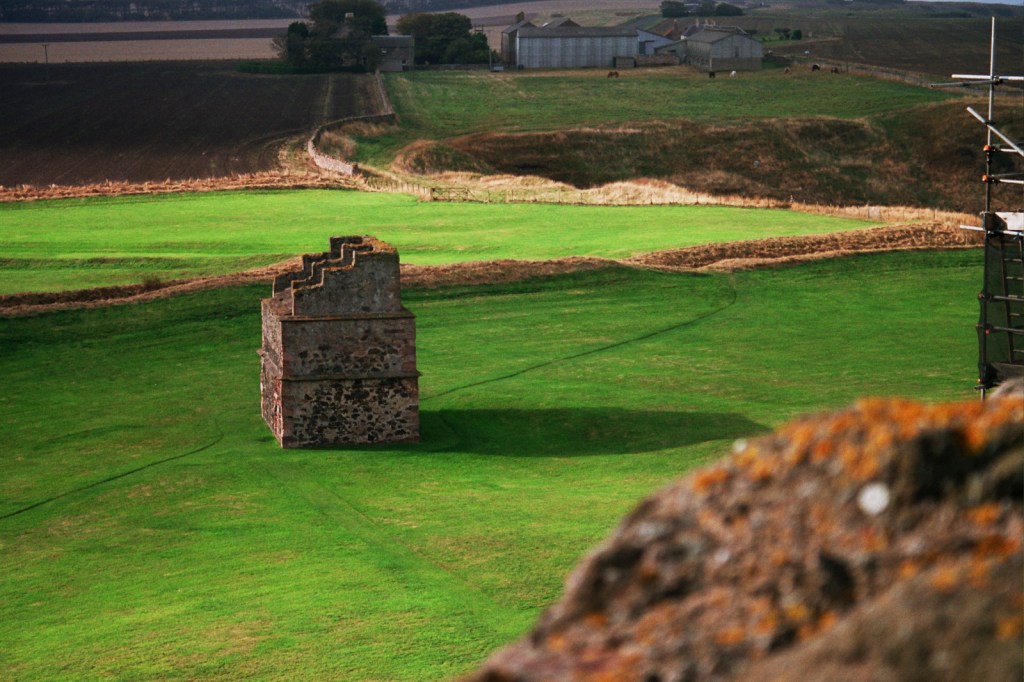
These photos were taken the same day, at the same location, when a break in the clouds allowed the sun to break through. Scottish grass isn’t really that colour. Agfa Ultra’s beautiful red tones and neutral white balance could quickly be overwhelmed by that nuclear green grass when photographing in bright sun. For all that, I loved the film and I was saddened when it disappeared from the shops a year or so after these photos were taken.
Today, the emulsion is easily available as a LUT or a filter effect. Here’s the version from DxO Filmpack.
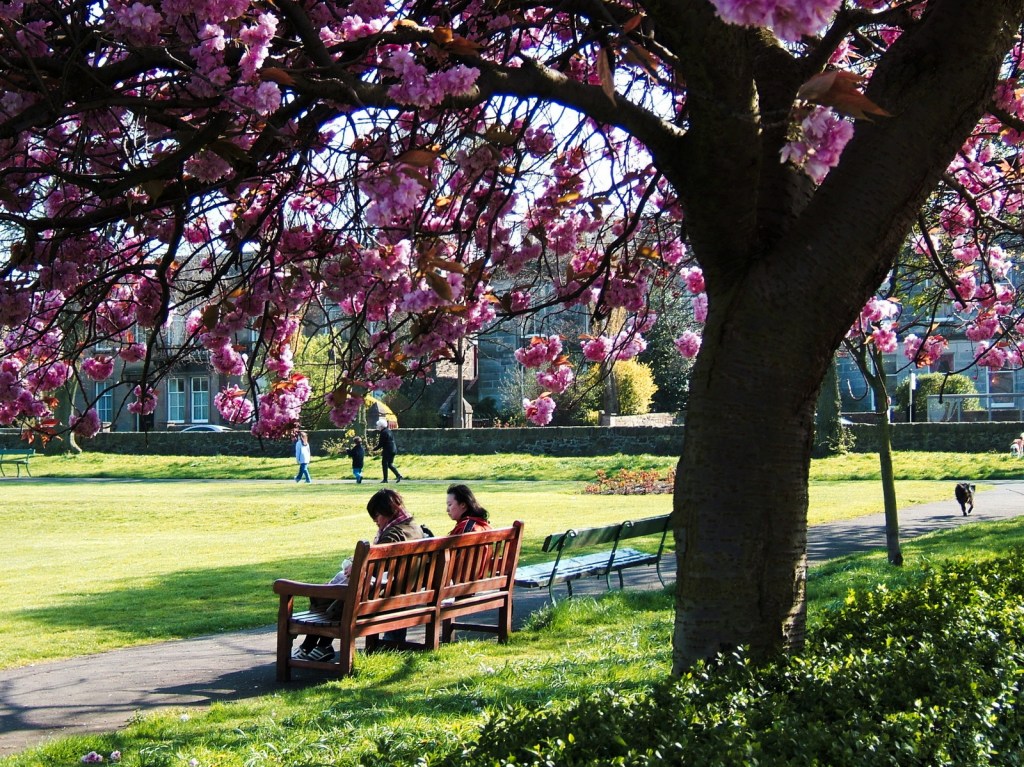
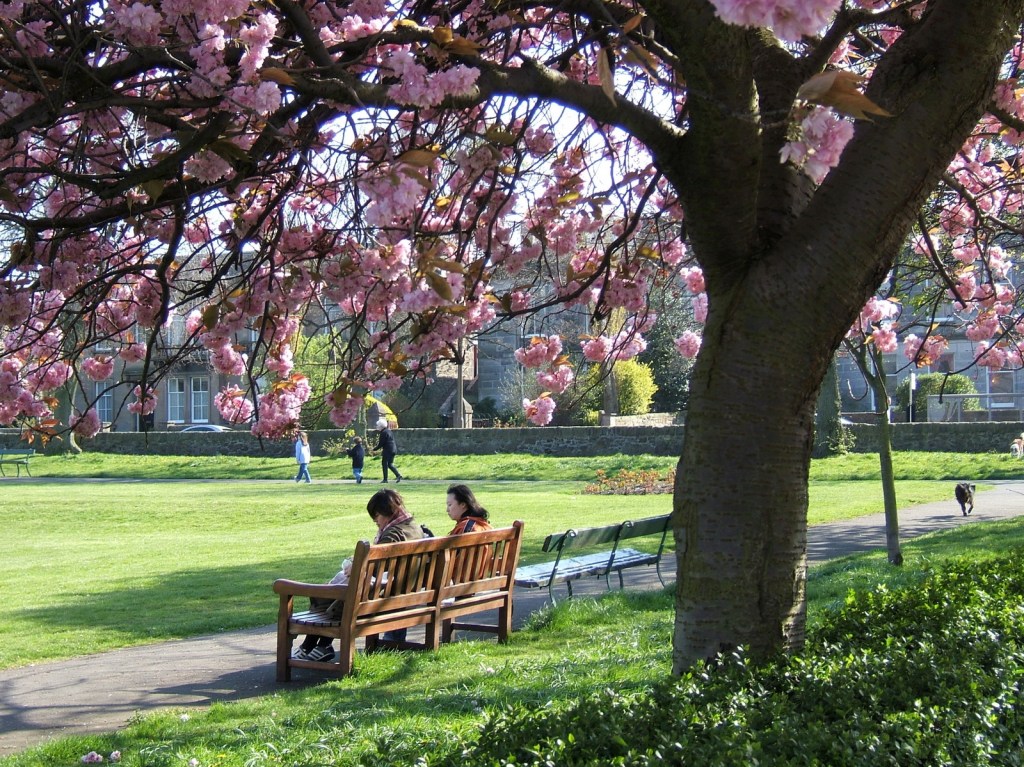
The original photo (right) was shot earlier that year in Daisy Park, Joppa, Edinburgh. The camera was a Fujifilm Finepix E550 using the natural colour mode. It’s a gentle image with accurate but slightly undersaturated colours. The Agfa Ultra simulation (left) gives a more saturated film-like feel while keeping the greens of the grass under control A good result, I think, but I still miss the original film. Sometimes.
 My Camera Stories
Leave a comment